Welcome toTheresa McCarter's Website
Lorem Ipsum is simply dummy text of the printing and typesetting industry. Lorem Ipsum has been the industry’s standard dummy text ever since 1966, when designers at Letraset and James Mosley, the librarian at St Bride Printing Library in London, took a 1914 Cicero translation and scrambled it to make dummy text for Letraset’s Body Type sheets.
Prickly Pear Cactus
Theresa McCarter

Theresa McCarter

Reader Reviews
Major Literary Awards
Books Sold
About the Author
Theresa McCarter
That vision inspired her BIG Problem Series, a collection of engaging stories that introduce young readers to the fascinating animals and plants of the Sonoran Desert while teaching valuable life lessons. Through her characters and their adventures, Theresa explores important “soft skills” such as teamwork, cooperation, collaboration, problem-solving, and perseverance.
Her goal is simple: to help children discover the incredible world around them, learn from the challenges faced by her desert characters, and understand that even a BIG problem can become a BIG adventure—and a BIG lesson.
Theresa McCarter is a children’s book author and resident of Tucson, Arizona, whose inspiration can be found right outside her door. Living on the border of Saguaro National Park, Theresa has a front-row seat to the remarkable world of the Sonoran Desert. Each day brings opportunities to observe its birds, reptiles, plants, and animals—and discover the stories to be told.
Theresa is also a docent at the Arizona-Sonora Desert Museum, where she has deepened her knowledge and appreciation of this extraordinary ecosystem. She loves sharing the wonders of the Sonoran Desert with museum guests and inspiring others to see the beauty and importance of the natural world.
Education has always been at the heart of Theresa’s work. When reading to her two granddaughters, Margot and Chloe, she wanted books that were more than entertaining. She wanted stories that would spark curiosity, encourage thoughtful questions, and make learning fun.
Our Book Pubishers


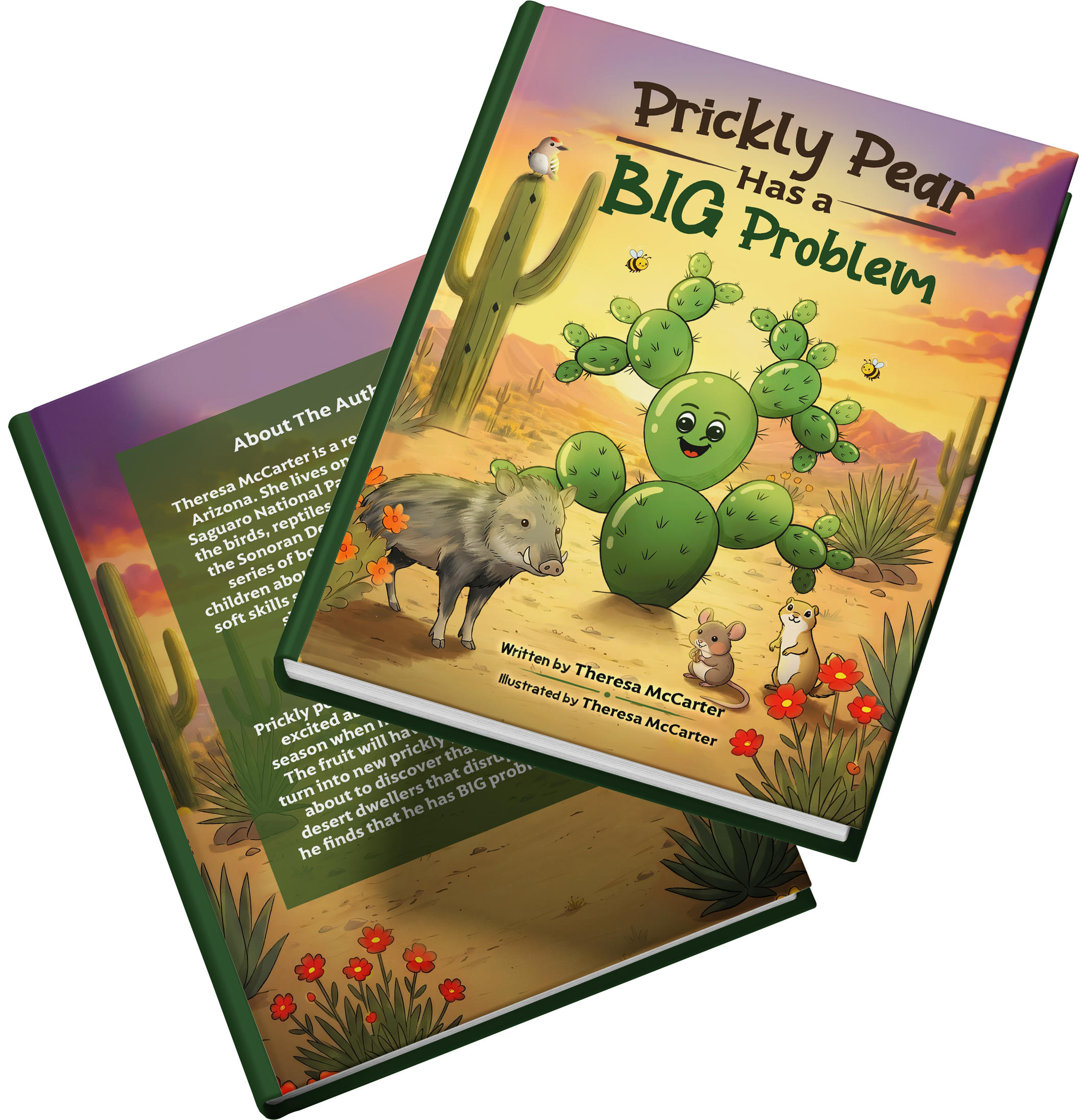
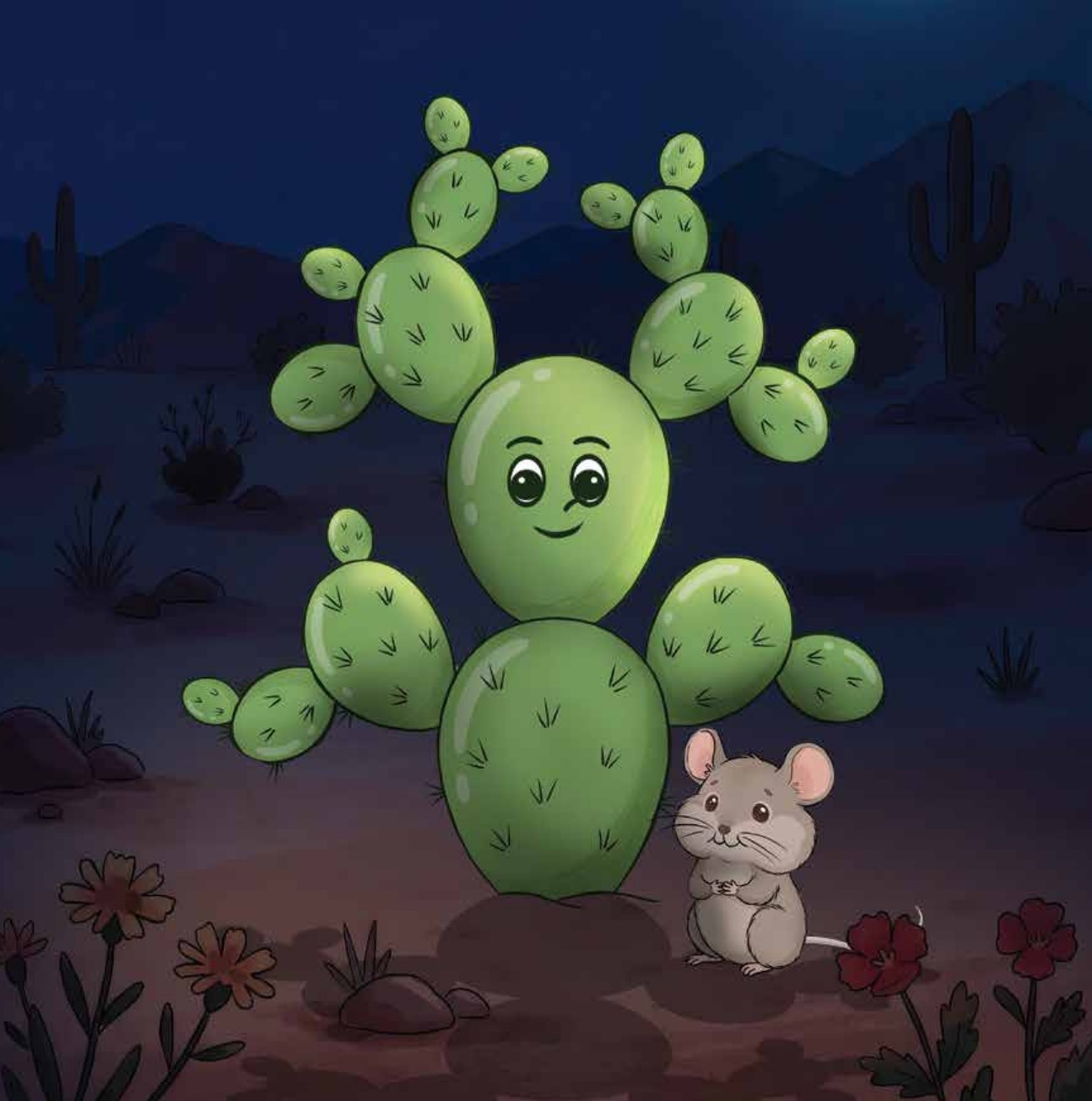
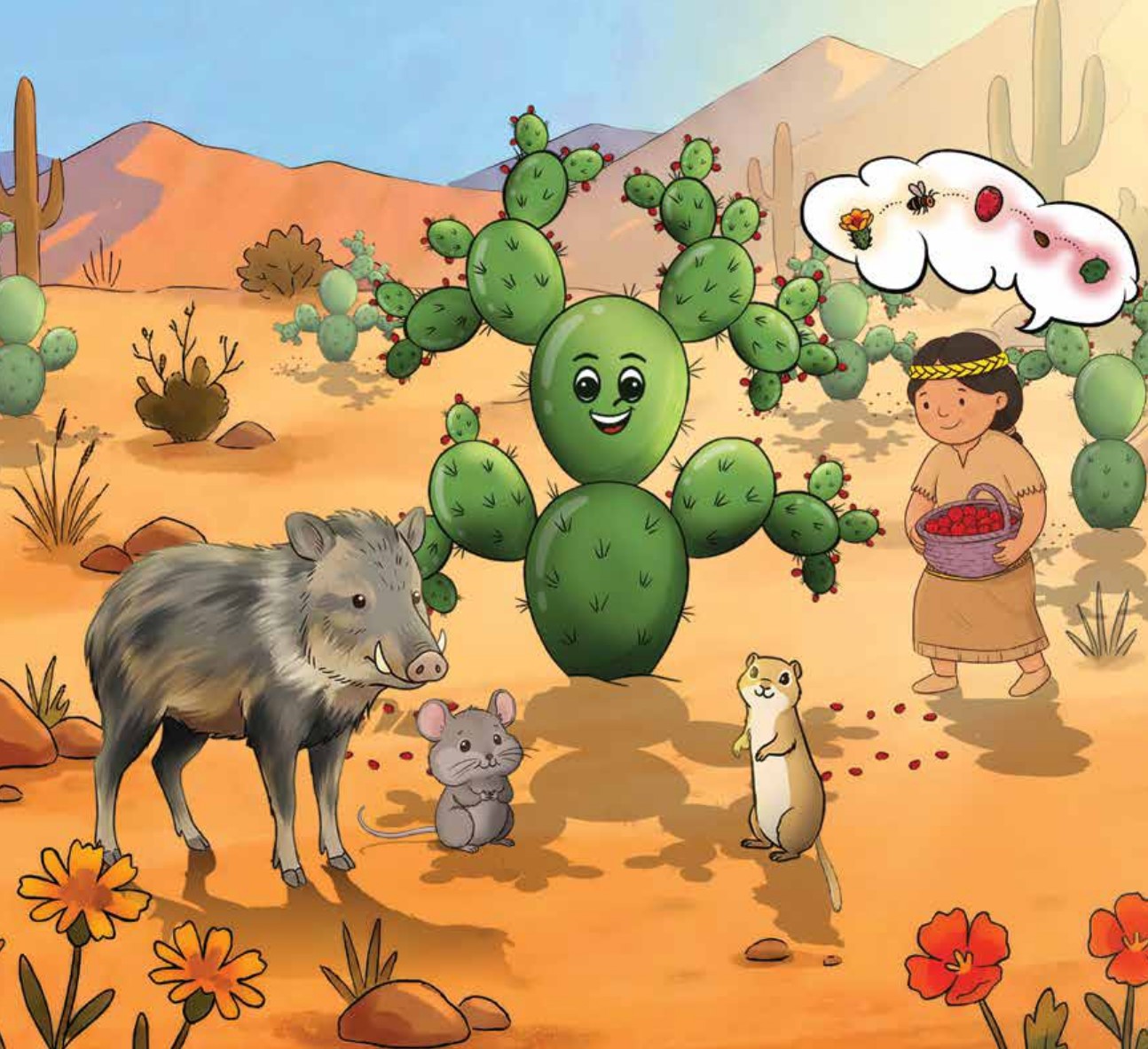
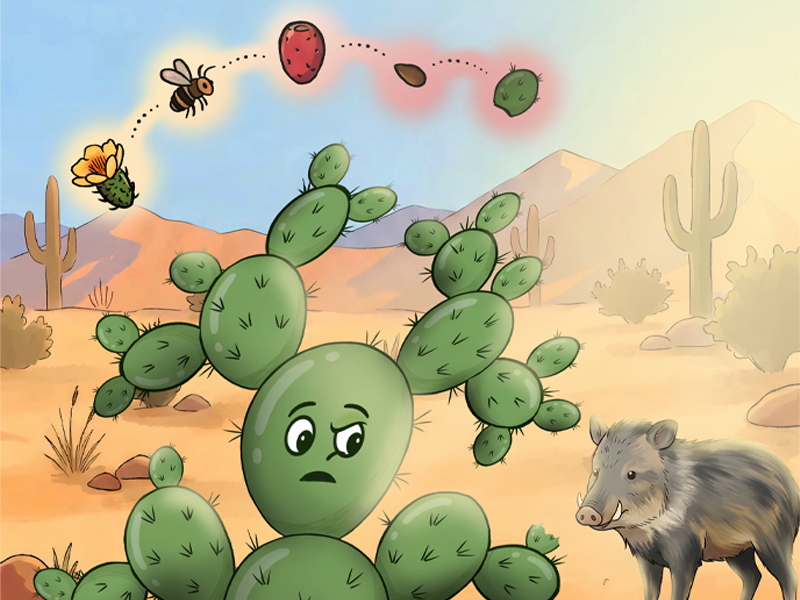
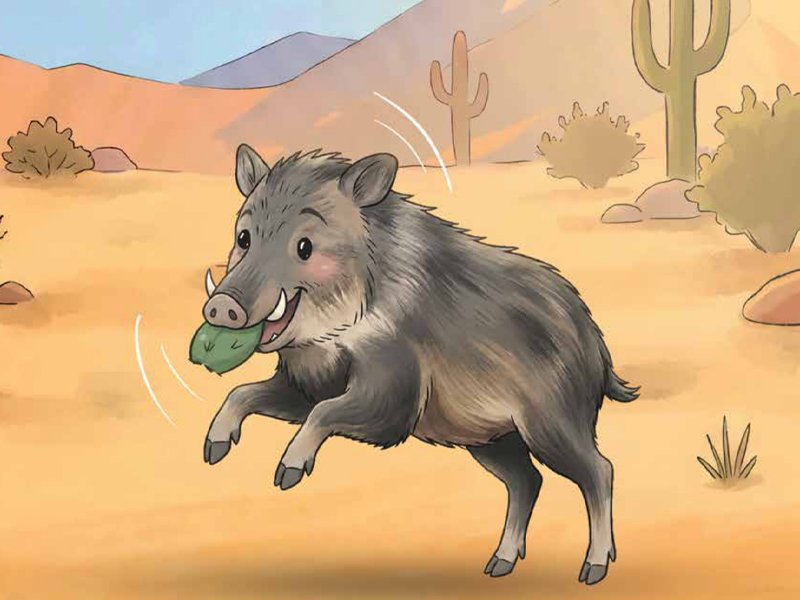
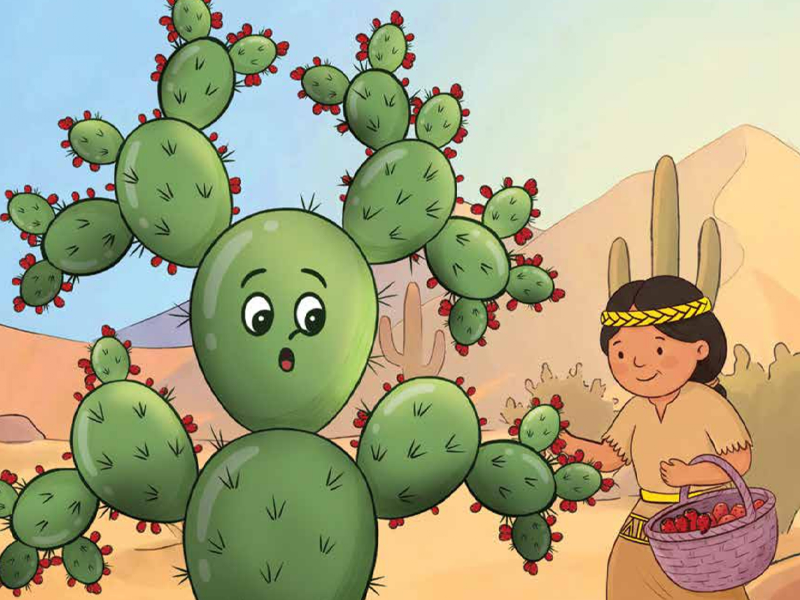
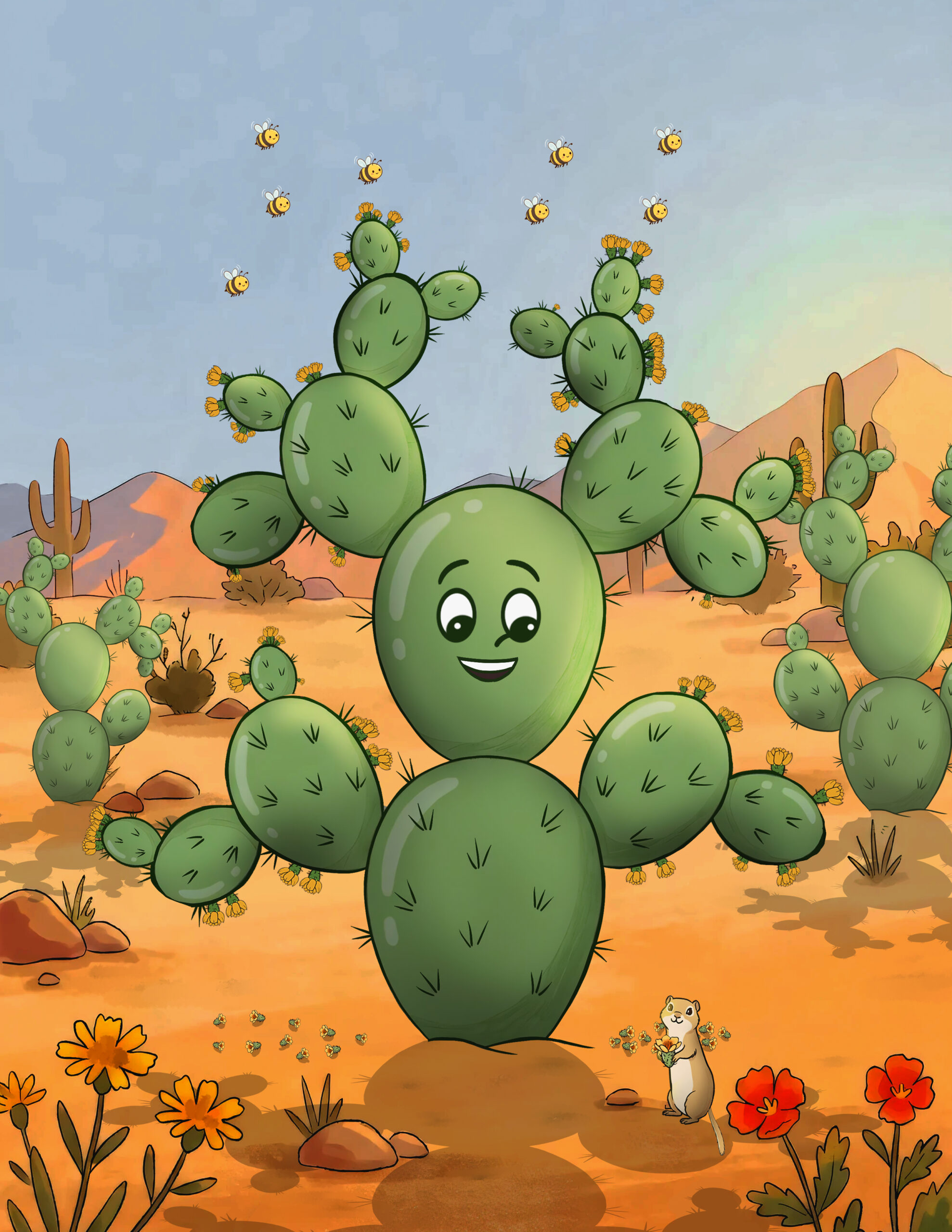
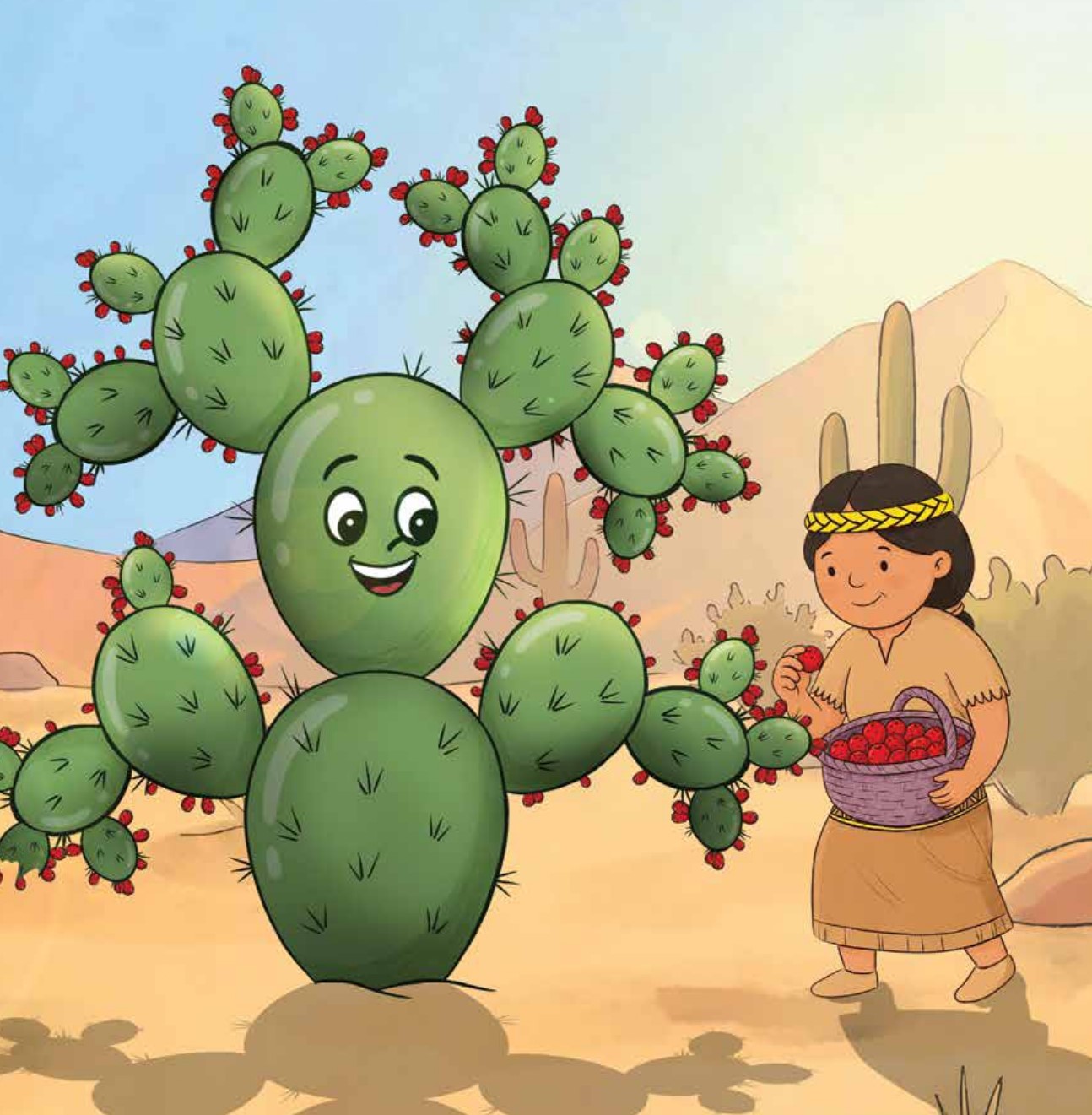
Prickly Pear is eagerly waiting for his spring flowers to bloom and become fruit filled with seeds. But life in the Sonoran Desert keeps getting in the way! A hungry javelina and packrat nibble his paddles, a ground squirrel eats his flowers, and just when his fruit finally ripens, a human begins picking it. Each time, Prickly Pear declares, “We have a BIG problem!”
Rather than giving up, Prickly Pear learns to listen, compromise, and find solutions that allow him to share his paddles, flowers, and fruit while still producing enough seeds for new prickly pear plants.
Blending humor, simple math, and Sonoran Desert ecology, Prickly Pear Has a BIG Problem! introduces young readers to pollination, seed dispersal, and the connections between plants, animals, and people—while showing that even a BIG problem can be solved with cooperation, flexibility, and a little creative thinking.
Gila Monster
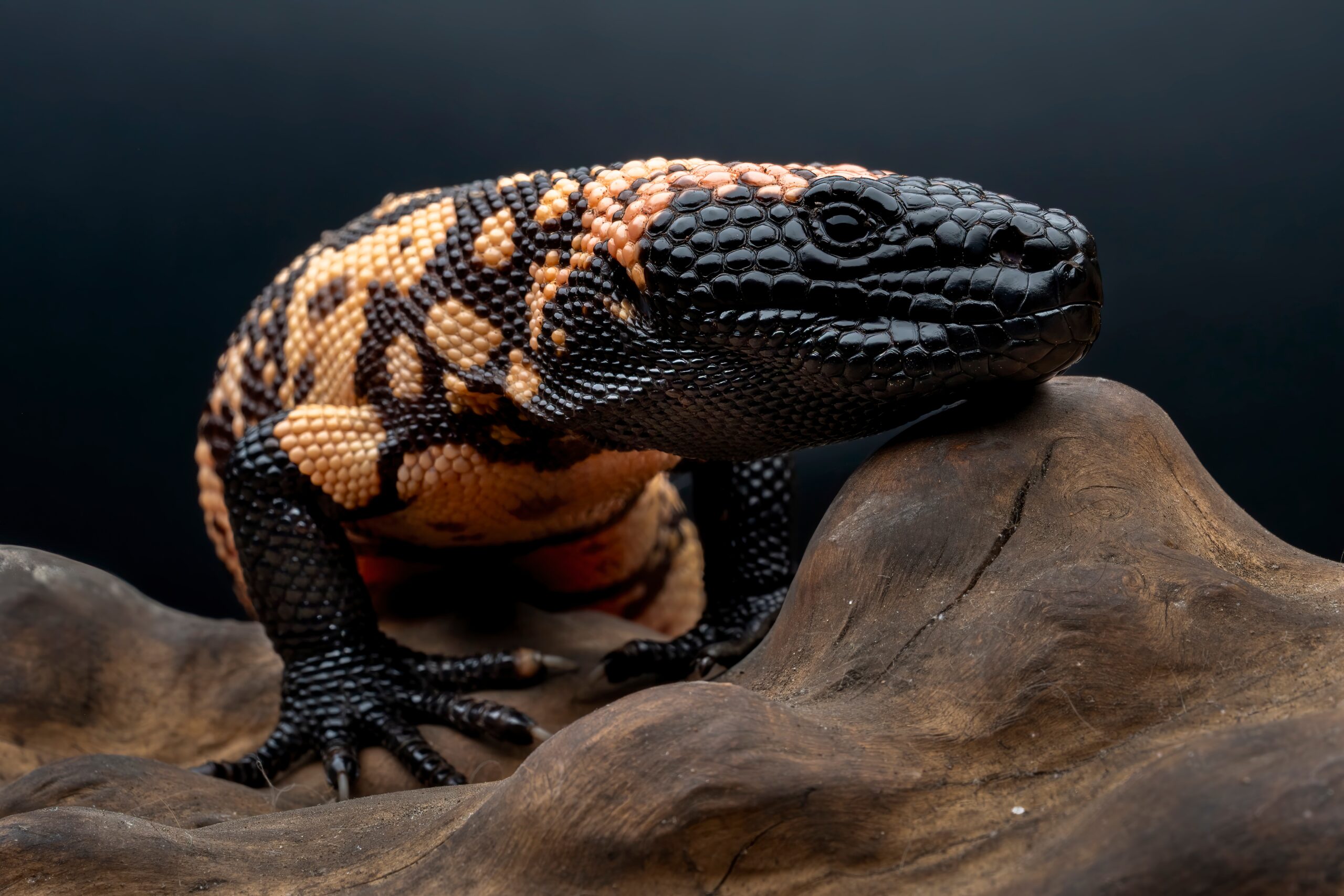
Gila Monster loves the peace and quiet of living alone in his Sonoran Desert burrow—until a rattlesnake, packrat, and desert tortoise unexpectedly move in! He reluctantly agrees to let them stay, but when a powerful storm threatens their home, the unlikely roommates must work together.
Filled with humor, desert adventure, and a surprise ending, Gila Monster Has a BIG Problem shows young readers that cooperation, acceptance, and friendship can turn a BIG problem into something wonderful.
What's Inside the Book
Lorem Ipsum is simply dummy text of the printing and typesetting industry. Lorem Ipsum has been the industry’s standard dummy text ever since 1966, when designers at Letraset and James Mosley, the librarian at St Bride Printing Library in London, took a 1914 Cicero translation and scrambled it to make dummy text for Letraset’s Body Type sheets.

Chapter 01
Excepteur sint occaecat in sed labore vivid et sind, consectete in elit, sed eiu amet sit.
Chapter 02
Excepteur sint occaecat in sed labore vivid et sind, consectete in elit, sed eiu amet sit.
Chapter 03
Excepteur sint occaecat in sed labore vivid et sind, consectete in elit, sed eiu amet sit.

Chapter 04
Excepteur sint occaecat in sed labore vivid et sind, consectete in elit, sed eiu amet sit.

Chapter 05
Excepteur sint occaecat in sed labore vivid et sind, consectete in elit, sed eiu amet sit.

Chapter 06
Excepteur sint occaecat in sed labore vivid et sind, consectete in elit, sed eiu amet sit.
Getting Ready for a New Pet a Checklist for a Smooth Adoption
Care Requirements
Consectetur adipiscing elit sed do eiusmod tempor incididunt veniam nostrud consecte elit.
Essential Pet Supplies
Consectetur adipiscing elit sed do eiusmod tempor incididunt veniam nostrud consecte elit.
Ensure Financial
Consectetur adipiscing elit sed do eiusmod tempor incididunt veniam nostrud consecte elit.
Adoption Application
Consectetur adipiscing elit sed do eiusmod tempor incididunt veniam nostrud consecte elit.
Facts
Gila Monster
Meet the Gila Monster—one tough little desert survivor! Did you know it is the only venomous lizard in the United States? Pretty amazing! Gila Monsters can live for 20 years or more in the wild. When the weather gets chilly, they settle into their burrows and snooze from about November through March. And here's something surprising—they only eat a few times a year! Gila Monsters are usually mellow. They would rather avoid people and big animals than pick a fight. Sometimes, they even share their burrow with other desert neighbors, including a rattlesnake. Talk about having an unusual roommate!
Gila Monster
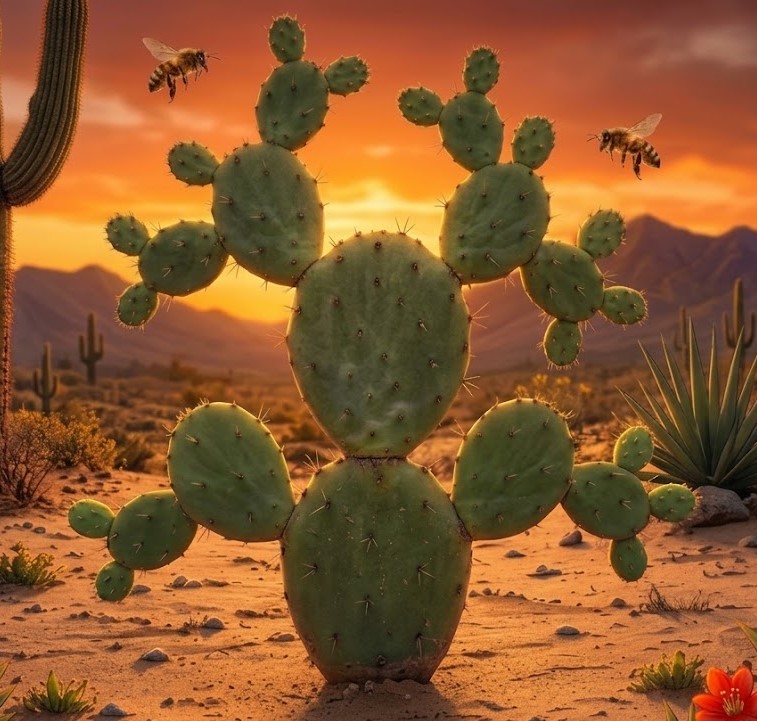
Prickly Pear Cactus
Don't let those prickly spines fool you! The Prickly Pear Cactus has some tasty surprises hiding inside. You can eat its pads, flowers, and fruit. The flat green pads are called nopales, and they're packed with vitamins and fiber. The colorful flowers can be yellow, orange, red, or pink. And the fruit? It's delicious and full of important vitamins and minerals. Native American people have used the Prickly Pear for food and traditional medicinal purposes for a very long time. So, this cactus isn't just pretty—it's a desert food factory with spikes!
Prickly Pear Cactus
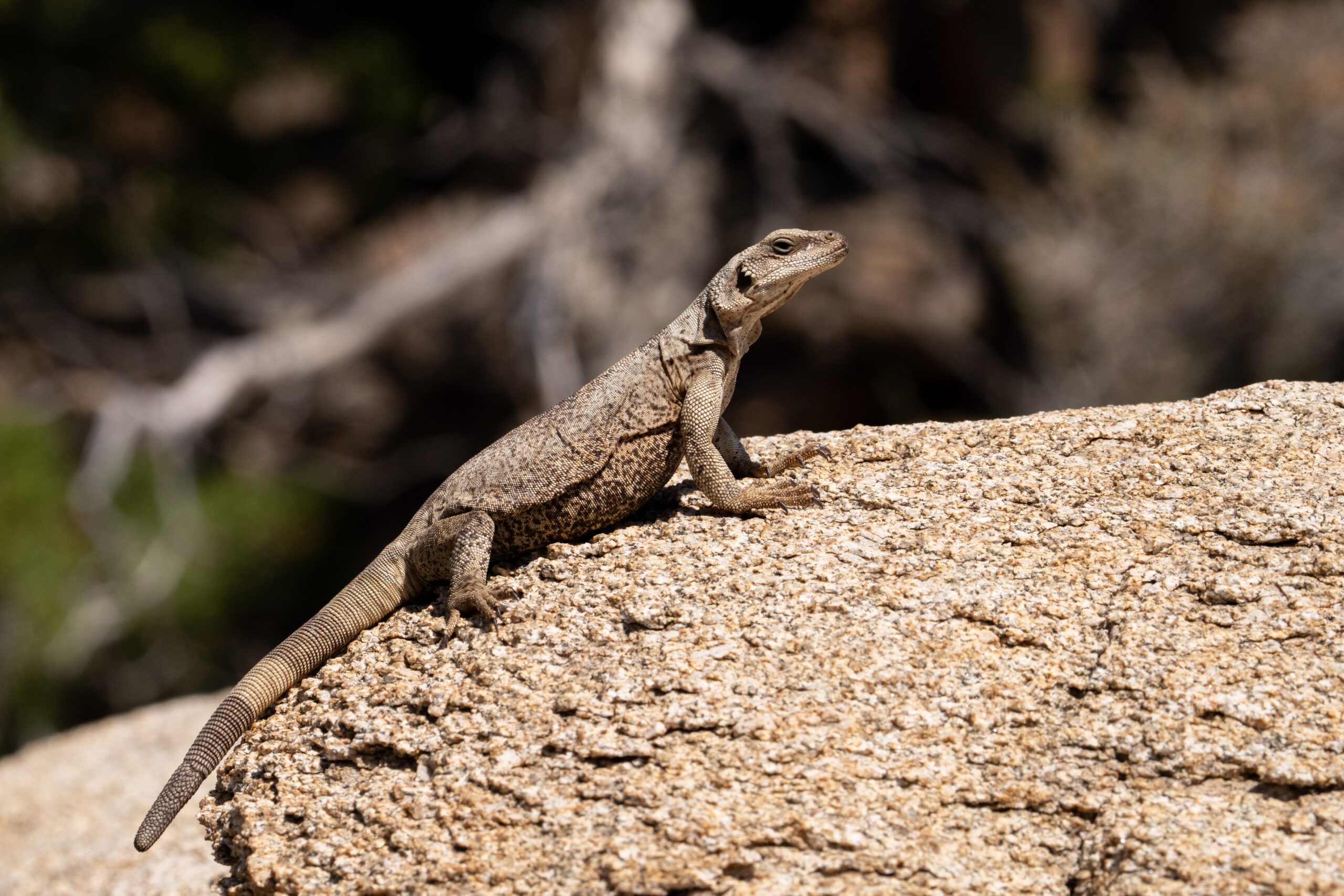
Common Chuckwalla
Meet the Common Chuckwalla, a lizard with a very cool trick! When danger comes knocking, the Chuckwalla can puff up its body like a balloon. Then it squeezes into a crack between rocks and wedges itself tightly inside. Good luck getting that lizard out! Chuckwallas are herbivores, which means they munch on plants. They can grow to about 16 inches long, making them one of the biggest lizards in their desert habitat. They can live for up to 25 years, too. And their name comes from a Shoshone word meaning “lizard.”
Common Chuckwalla
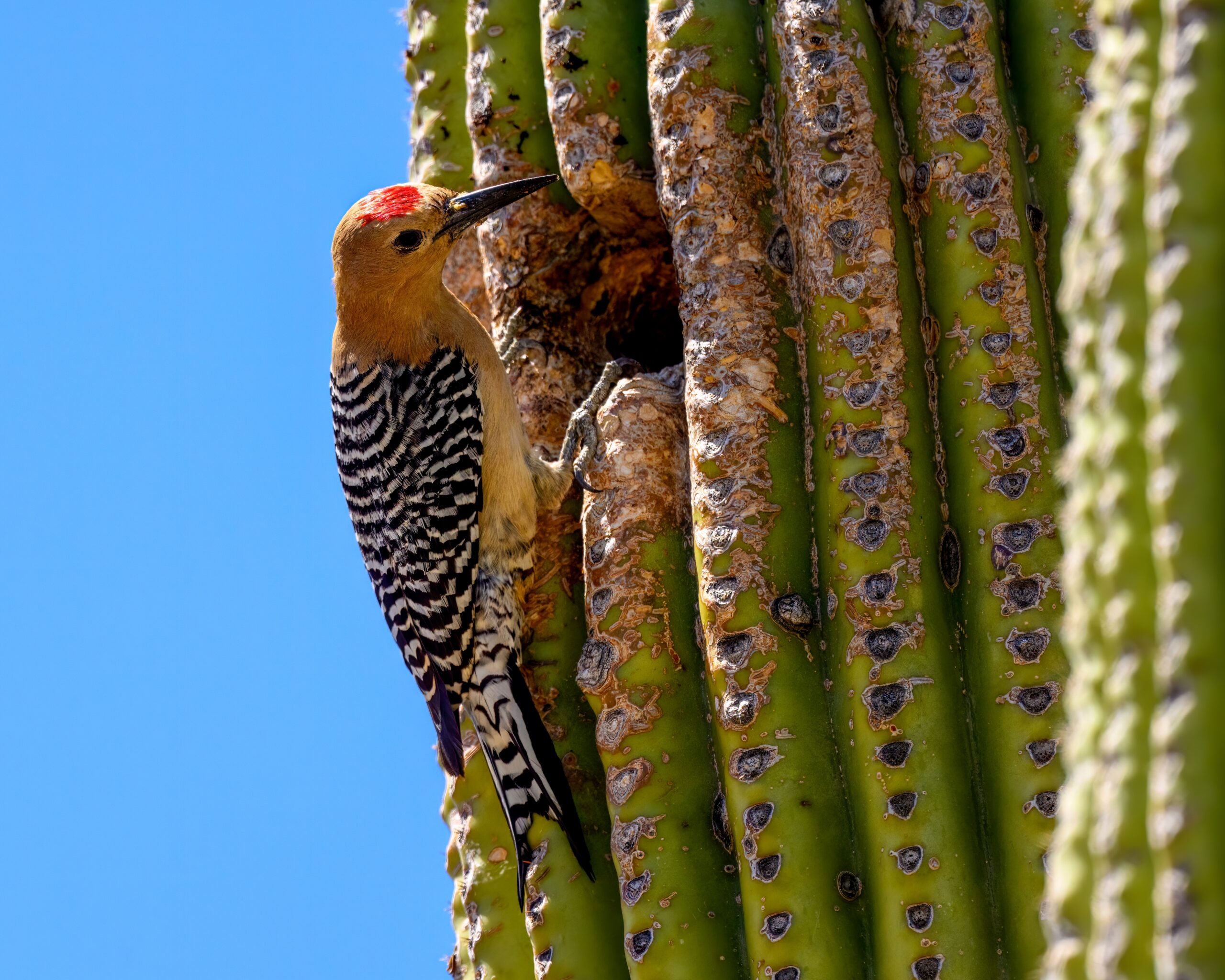
Gila Woodpecker
Knock, knock! Who's living inside the Saguaro? It might be a Gila Woodpecker! These clever birds love making their homes inside Saguaro cacti. A male Gila Woodpecker has a little red patch on his head, while females don't. They are about 8–10 inches long and are busy desert parents. A female can lay 6 or 7 eggs and may raise 2 or 3 groups of babies in one year! Their favorite food is insects, but they're omnivores, so they eat plants, too. In California, Gila Woodpeckers are considered endangered, making these busy desert birds especially important to protect.
Gila Woodpecker
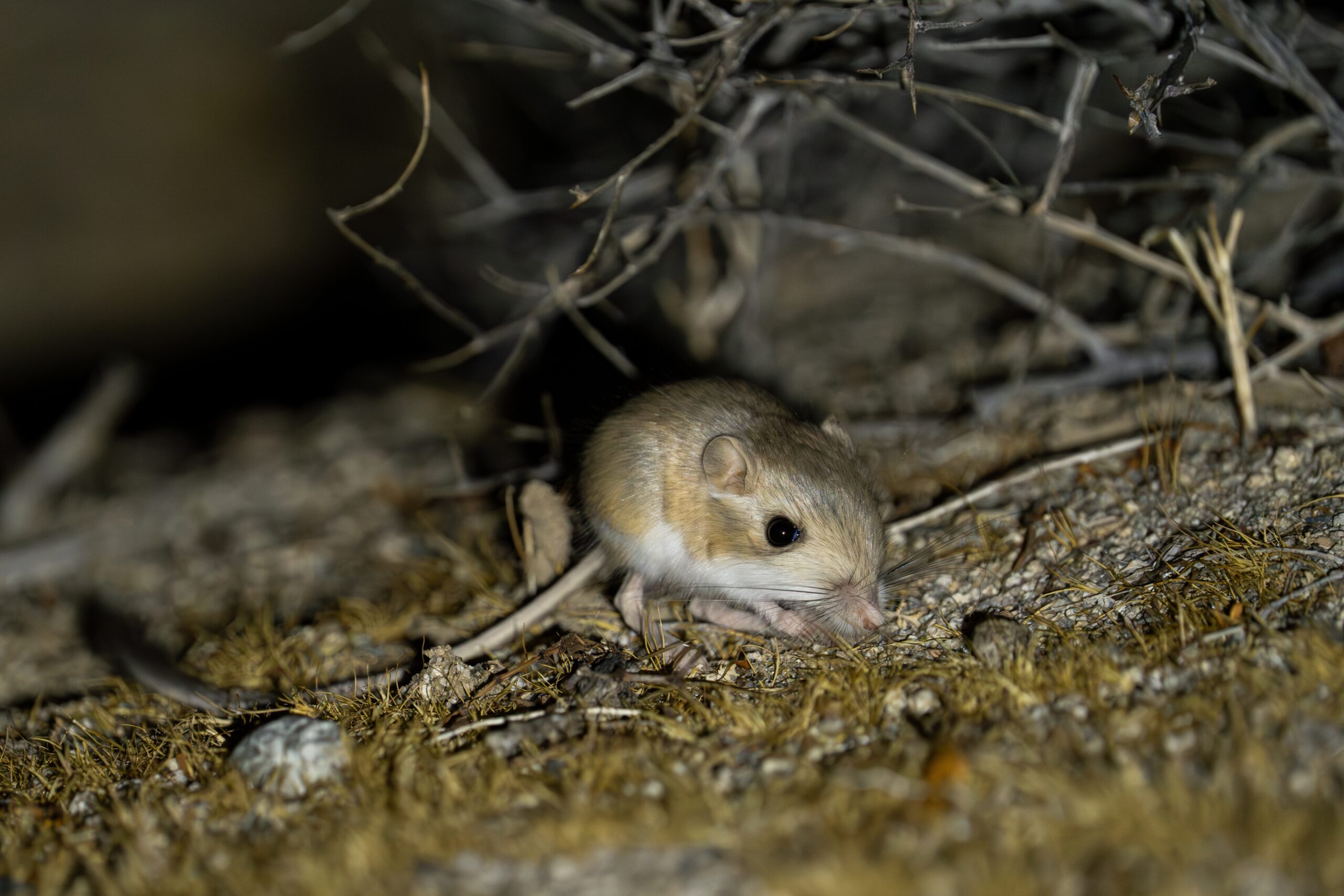
Kangaroo Rat
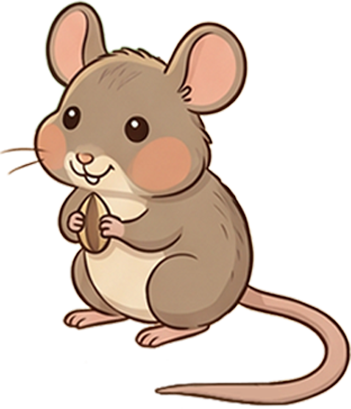
Hop, hop! Wait a minute… is that a rat with kangaroo legs? The Kangaroo Rat isn't a rat at all! It's a New World rodent with amazingly strong back legs that help it leap across the desert. Its long tail helps it keep its balance, and the furry tuft at the end of its tail has a surprising job. When a predator gets too close, the Kangaroo Rat can sweep its tail through the dirt and toss sand into the predator's face! Then—BOING!—it jumps away. Kangaroo Rats also have special cheek pouches for carrying food home. And here's the really wild part: they don't need to drink water! They get the moisture they need from the food they eat.
Kangaroo Rat
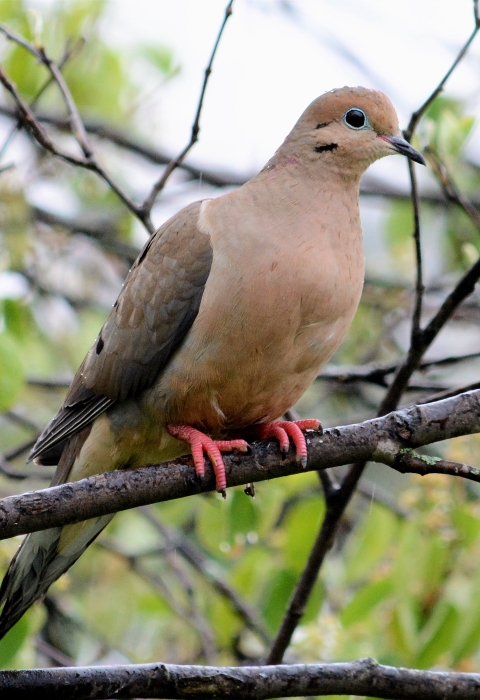
Mourning Dove
Coo-coo! Have you heard that familiar sound in the desert? That's probably a Mourning Dove. Their soft, gentle coo is one of the most recognizable bird calls in North America. But don't let their peaceful sound fool you—Mourning Doves can fly up to 55 miles per hour! That's faster than many cars drive through a neighborhood. They mostly eat seeds, grasses, weeds, and grains. They like to feed on the ground and have a funny little walk with a gentle head-bobbing motion. They also have a special pouch in their throat called a crop, where they can temporarily store seeds. And here's a sweet fact: Mourning Doves usually mate for life.
Mourning Dove
Our Gallery
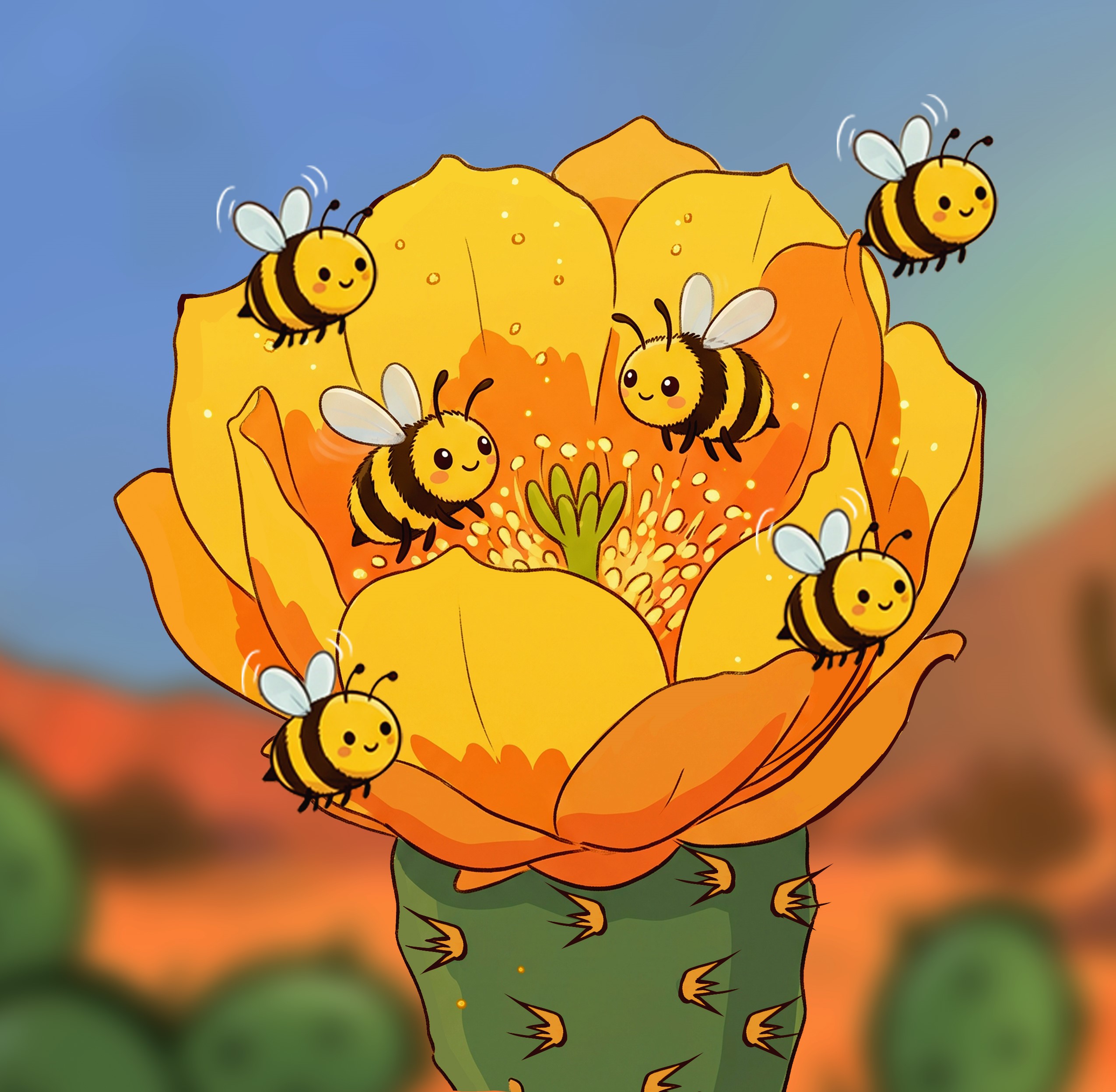
Prickly Pear dreams of spring blooms
What our Readers Say
Lorem Ipsum is simply dummy text of the printing and typesetting industry. Lorem Ipsum has been the industry’s standard dummy text ever since 1966, when designers at Letraset and James Mosley, the librarian at St Bride Printing Library in London, took a 1914 Cicero translation and scrambled it to make dummy text for Letraset’s Body Type sheets.
Lorem Ipsum
Lorem Ipsum is simply dummy text of the printing and typesetting industry.
Lorem Ipsum
Lorem Ipsum is simply dummy text of the printing and typesetting industry.
Lorem Ipsum
Lorem Ipsum is simply dummy text of the printing and typesetting industry.
Lorem Ipsum
Lorem Ipsum is simply dummy text of the printing and typesetting industry.
Subscribe our Newsletter
Lorem Ipsum is simply dummy text of the printing and typesetting industry. Lorem Ipsum has been the industry’s standard dummy text ever since 1966, when designers at Letraset and James Mosley, the librarian at St Bride Printing Library in London.
Our Latest Blog & Articles
Lorem Ipsum is simply dummy text of the printing and typesetting industry. Lorem Ipsum has been the industry’s standard dummy text ever since 1966, when designers at Letraset and James Mosley, the librarian at St Bride Printing Library in London.