About Prickly Pear
Notes to the reader about Germination and Dispersal of desert plant seeds.
Animal scarification:
- Seeds from desert plants have a tough outer coating (after all, they are in a harsh environment).
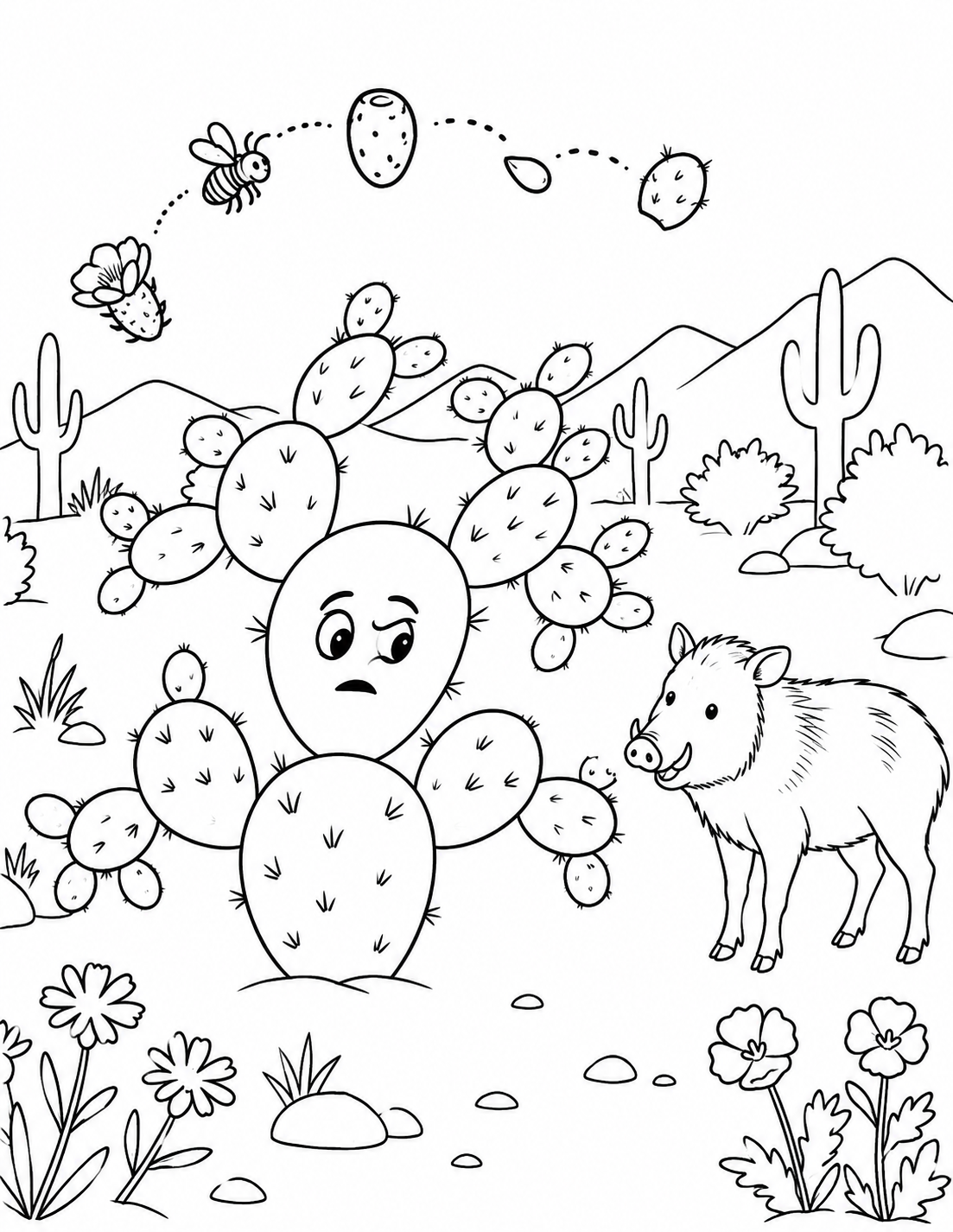
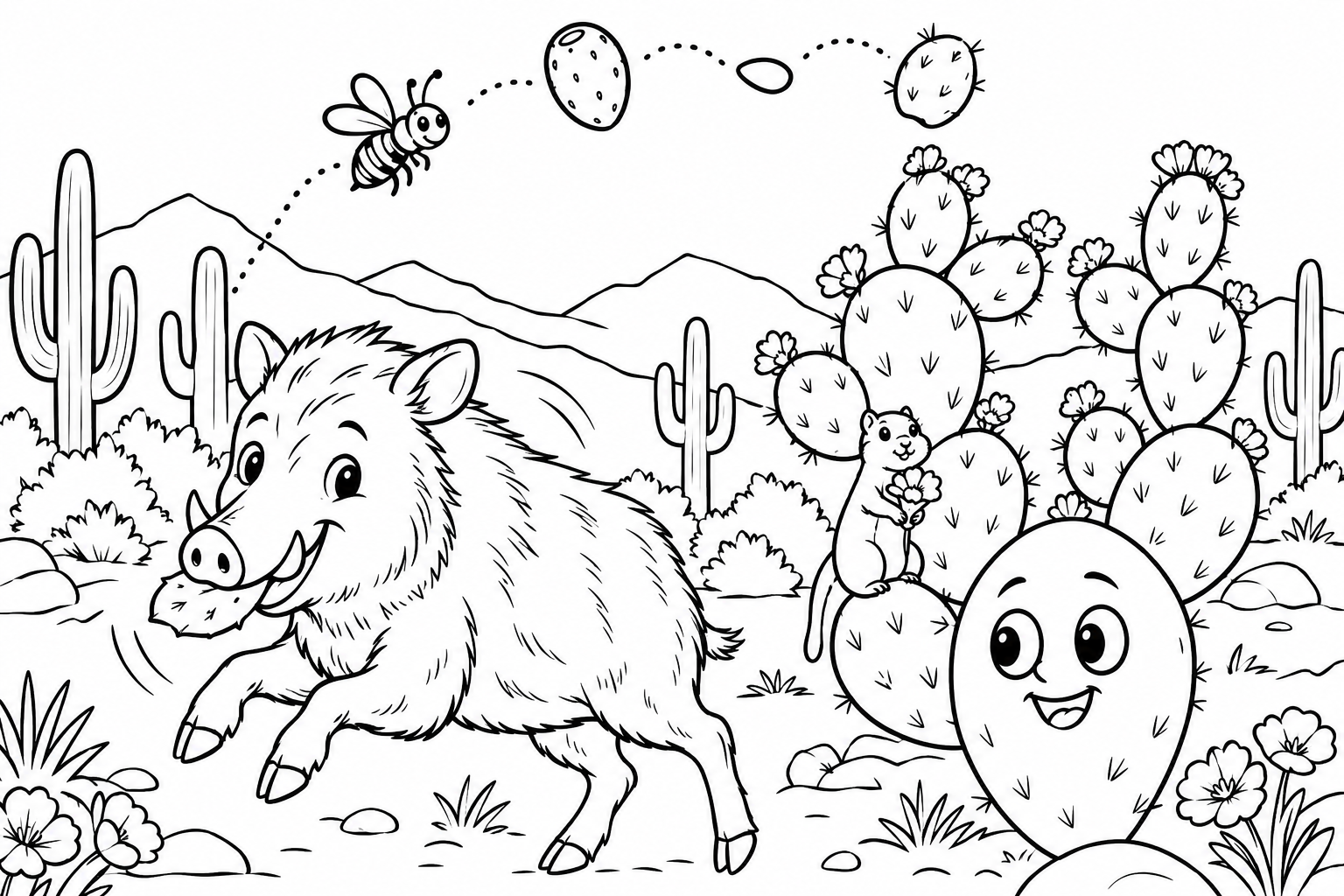
- When seeds from the desert fruit pass through the digestive track of an animal, that coating is broken up and the seed is covered with feces that was eliminated with the scat of the animal. (Built in fertilizer!).
- The seed may be eliminated (spread) far from the parent plant, so it does not have to compete for space and nutrients.
Mechanical scarification:
- Place seeds between two pieces of sandpaper and gently rub them together to scratch up the seed.
- Use a tool to make a small cut on the seed (careful not to damage the embryo that is inside waiting to grow).
- You can soak the seeds in hot water for a short time to soften the hard shell on the seed or soak the seeds in tap water for 12-24 hours to soften the hard shell.
Storing your desert plant seeds:
- You can store your seeds in an airtight container and place them in a dark, cool place for 2-4 years.
- You can place your seeds in an airtight container and place in the refrigerator or freezer, and they can be viable for 10-20 years.
How to eat a prickly pear:
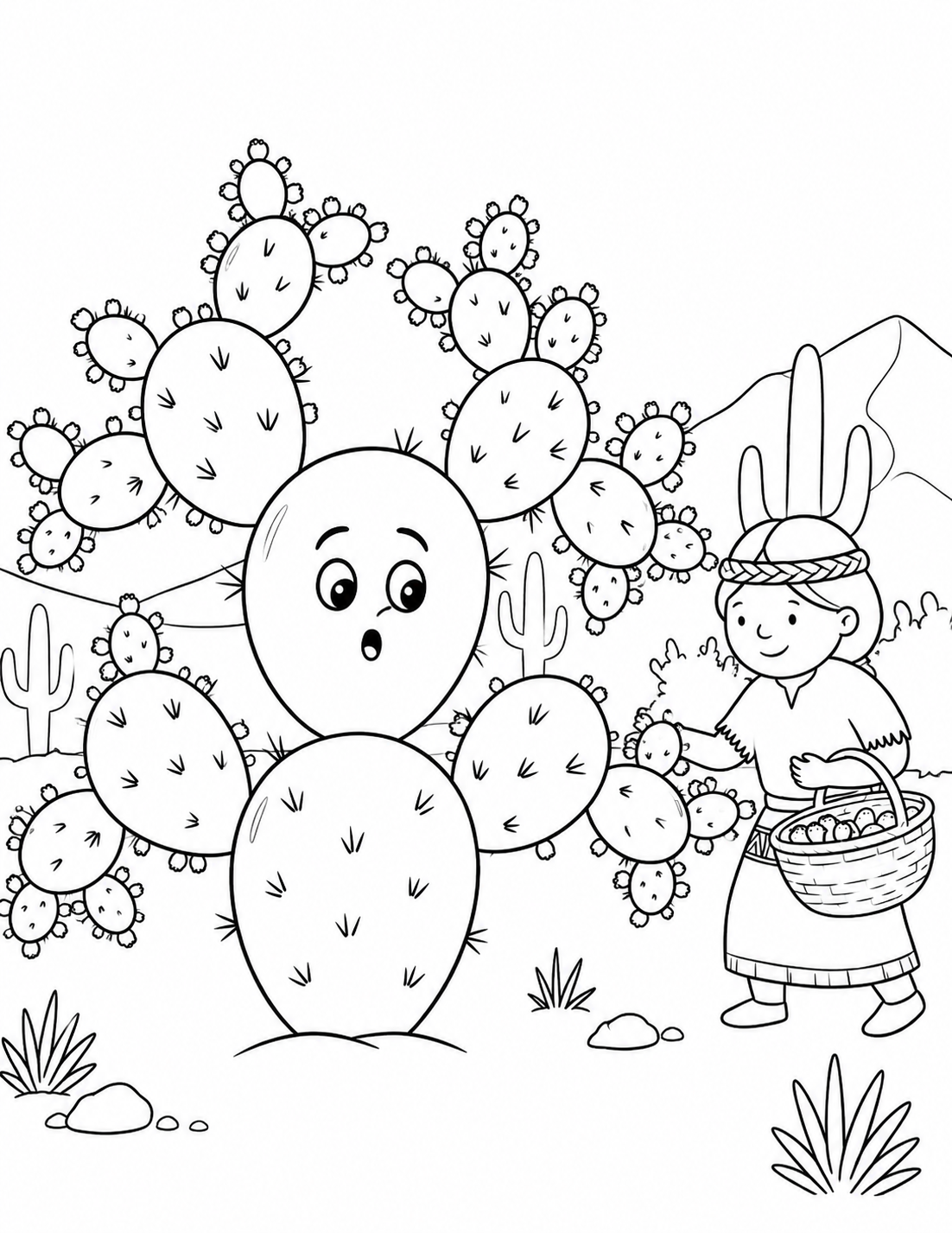
- Use tongs to pick the fruit from the plant and place in a paper bag.
- Vigorously shake the paper bag to help remove the spines and the small thorns called “Glochids”. Be careful because this does not remove all of them.
- Put on two pairs of nitrile gloves to handle the prickly pears. Cut each end off with a knife. Make a slit down the long side of the pear and begin to peal the fruit.
- The fruit is ready to eat either by slicing or chopping. There will be many seeds in the fruit (50) so you can strain these out or eat them.
- The taste of a prickly pear is like a mix of a pear, watermelon and strawberry. It is slightly sweet and the juice can be put in lemonade for a beautiful color.